Thẻ thông minh và công nghệ RFID
2026-08-11
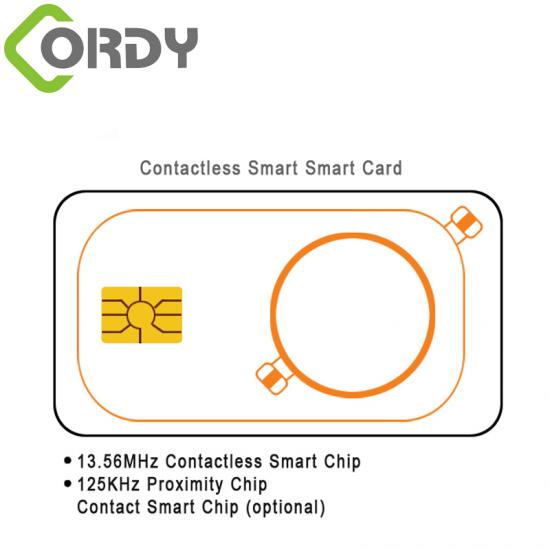
Công nghệ Thẻ thông minh và RFID Thẻ thông minh có mối liên hệ chặt chẽ với công nghệ RFID, và RFID tần số cao là nền tảng công nghệ cốt lõi của các loại thẻ thông minh phổ biến hiện nay. Cả hai cùng nhau tạo thành hệ thống ứng dụng cốt lõi của nhận dạng tự động không tiếp xúc. 1. Các nguyên tắc cơ bản của công nghệ RFID Định nghĩa cơ bản: RFID, hay còn gọi là công nghệ nhận dạng tần số vô tuyến, là công nghệ nhận dạng tự động không tiếp xúc sử dụng sóng radio để nhận dạng mục tiêu và đọc/ghi dữ liệu mà không cần hướng thẳng hoặc tiếp xúc vật lý. Cấu tạo hệ thống: Bao gồm thẻ điện tử (chip + anten), đầu đọc và anten, một số hệ thống được ghép nối với nền tảng xử lý dữ liệu phía sau. Đặc điểm dải tần số phổ biến: Tần số thấp (125-134kHz): Khả năng xuyên thấu mạnh, khoảng cách đọc 0,1-1 mét, phù hợp với thẻ ra vào và thẻ tai động vật. Tần số cao (13,56MHz): Khoảng cách đọc 1-3 mét, hỗ trợ nhận dạng đồng thời nhiều thẻ, và là dải tần số hoạt động cốt lõi của thẻ thông minh. Tần số siêu cao (860-960MHz): Khoảng cách đọc từ 3-10 mét, phù hợp với các kịch bản nhận dạng hàng loạt như hậu cần và kho bãi. Phân loại thẻ: Thẻ thụ động được cấp nguồn bởi đầu đọc, có chi phí thấp và tuổi thọ cao; Thẻ chủ động có pin tích hợp, có khoảng cách đọc xa hơn nhưng cần thay pin thường xuyên. 2. Các điểm cốt lõi của công nghệ thẻ thông minh Định nghĩa và phân loại: Thẻ thông minh là thẻ có vi mạch tích hợp, được chia thành hai loại: tiếp xúc và không tiếp xúc. Hầu hết các thẻ thông minh không tiếp xúc dựa trên công nghệ RFID tần số cao. Đặc điểm cốt lõi: Có đặc điểm mã hóa dữ liệu, dung lượng lưu trữ lớn, tuổi thọ cao và khả năng chống mài mòn, có thể thực hiện các chức năng nhận dạng danh tính, lưu trữ dữ liệu và tương tác. Các loại phổ biến: Các loại phổ biến bao gồm chip thẻ ID, thẻ xe buýt, thẻ ra vào, thẻ sinh viên, v.v., tất cả đều sử dụng băng tần RFID tần số cao 13,56MHz. 3. Mối tương quan và khác biệt giữa hai loại thẻ: Tương quan kỹ thuật: Thẻ thông minh không tiếp xúc là hình thức triển khai điển hình của công nghệ RFID trong nhận dạng danh tính và các kịch bản thanh toán nhỏ, trong khi công nghệ RFID tần số cao là nền tảng cốt lõi giúp thẻ thông minh thực hiện đọc và ghi không tiếp xúc. Khác biệt cốt lõi: Hình thức: Thẻ thông minh chủ yếu có dạng thẻ tiêu chuẩn, trong khi thẻ RFID có hình dạng linh hoạt và có thể gắn vào nhiều bề mặt vật thể khác nhau. Chức năng trọng tâm: Thẻ thông minh tập trung vào các kịch bản tương tác mạnh mẽ như xác thực danh tính và thanh toán an toàn, trong khi thẻ RFID đa năng tập trung vào theo dõi vật thể và kiểm kê hàng loạt. Dải tần hoạt động: Thẻ thông minh chủ yếu sử dụng tần số cao 13,56MHz, còn công nghệ RFID bao phủ toàn bộ dải tần từ tần số thấp đến vi sóng. 4. Các kịch bản ứng dụng điển hình: Loại xác thực danh tính: thẻ ID thế hệ thứ hai,Thẻ ra vào, thẻ đa năng cho toàn khuôn viên trường, giúp xác minh danh tính và quản lý quyền truy cập nhanh chóng. Lĩnh vực giao thông: Thẻ xe buýt, hệ thống thu phí tự động ETC, thu phí nhanh chóng mà không cần dừng lại. Quản lý ngành: Quản lý thư viện, truy xuất nguồn gốc thuốc, kiểm kê thiết bị y tế, dựa vào thẻ/thẻ thông minh RFID để tự động hóa toàn bộ quy trình quản lý. Lĩnh vực thanh toán tiêu dùng: Thẻ giao thông đô thị, thẻ đa năng cho tiêu dùng nhỏ, dựa vào đặc tính mã hóa của thẻ thông minh để đảm bảo an toàn thanh toán.
 Tiếng Việt
  English
 français
 русский
 español
 português
 العربية
 한국의
한국의 Türkçe
 ไทย
ไทย